
Start with melt
Melt value is the value of the metal in a coin at spot. It excludes any premium.
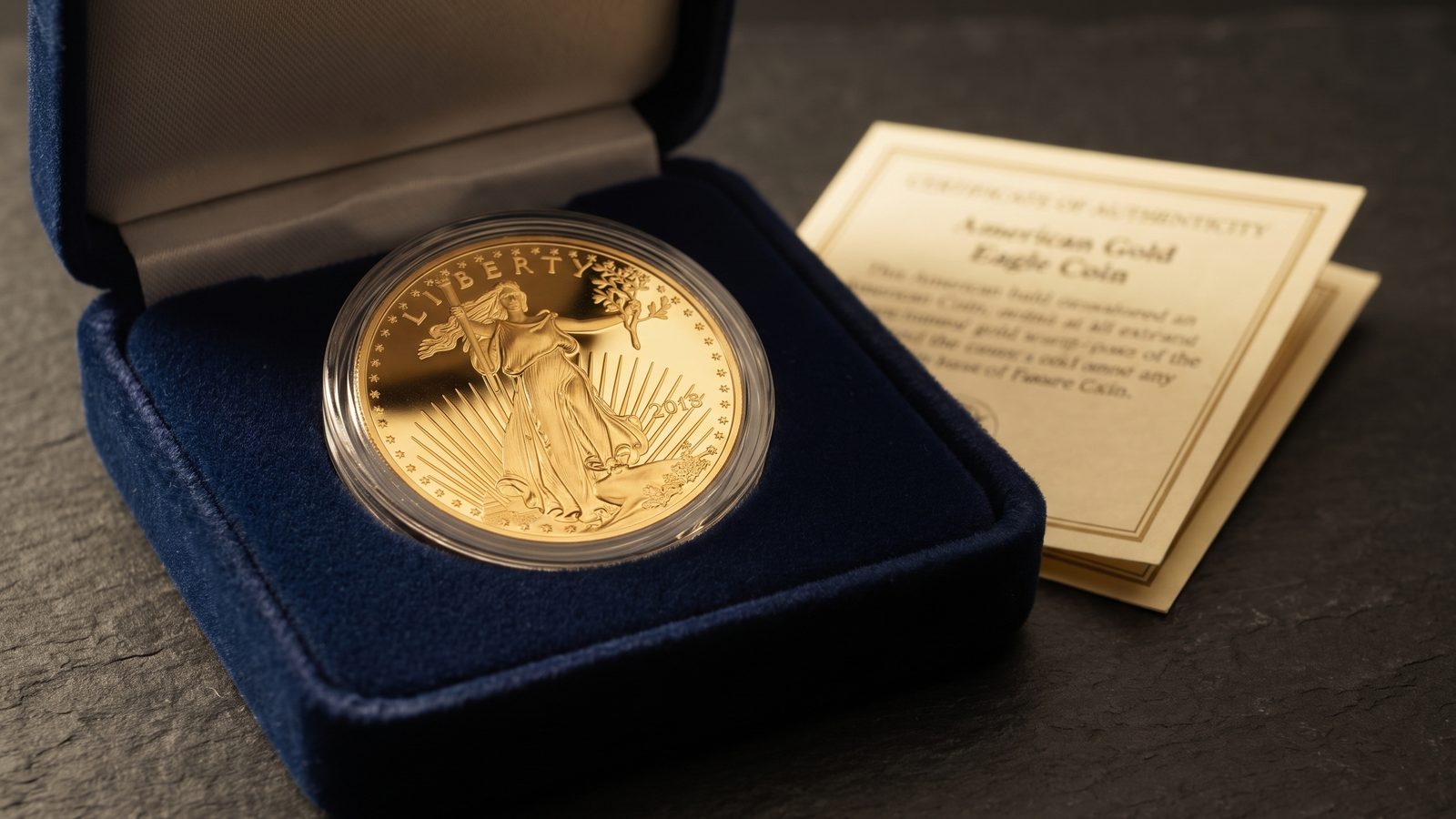
Use fine metal content, not total coin weight. A 1 oz Gold Eagle contains one troy ounce of Gold, even though its alloy makes it heavier.
At the spot prices in the ticker right now:
- One troy ounce of GoldLoading
- One tenth of a troy ounce of GoldLoading
- One troy ounce of SilverLoading
The amount above melt is the premium.
Two premiums that look alike
Coins can carry a bullion premium, a collectible premium or both.
A bullion premium covers making and supplying the coin, plus the markup. Some of it may be recovered on resale.
A collectible premium depends on demand for the exact coin, grade and condition. It may not be recovered when you sell.
What the label does and does not do
Limited mintage means a fixed number were made. It does not tell you what buyers will pay later.
A resale premium needs an active buyer for that coin.
Who actually pays for rarity
Collectors pay premiums for specific coins with established demand, often through auctions or specialist dealers.
A buyback bid depends on what the dealer can resell. A limited issue without an active collector market may receive a bid near melt.
The numismatic premium is usually explained at purchase in terms of the auction market, but a dealer's bid reflects the buyback market, and the two often price the same coin differently. Our own buyback works the same way as any dealer's, which is why we do not guarantee it and say so in the client agreement.
The arithmetic of a high premium
Premium can be measured against melt value or against the total purchase price. Use the same basis when comparing quotes.
share of price = markup over melt / (1 + markup over melt)
| Premium as share of price | Metal per $1 | Rise to break even |
|---|---|---|
| 10% | 90 cents | 11.1% |
| 20% | 80 cents | 25.0% |
| 25% | 75 cents | 33.3% |
| 35% | 65 cents | 53.8% |
| 45% | 55 cents | 81.8% |
| 50% | 50 cents | 100% |
A high premium means less of your purchase price is metal. Gold must rise further to cover that extra cost.
Check any quote against melt
Enter what you have been quoted, for any coin, from any dealer. Live spot fills in the rest. For a coin with its exact fine weight preloaded, or a check against the spot on your order date, use the full quote check.
- Spot basis
- Loading
- Melt value
- Loading
- Premium over melt
- Enter a price
- Share of the price that is not metal
- Enter a price
- Break-even spot pricewhere melt equals what you paid
- Enter a price
Educational, not advice. Melt is computed from the spot price in the ticker and the metal content you enter. Enter a price you were quoted to see its premium over melt. Clients see their live prices in the client portal. Break-even at melt ignores any spread on the eventual sale.
What a written price lets you check
Compare the quoted price with spot and the coin’s fine metal content. The difference is the premium.
Compare a limited issue with plain bullion of the same weight.
Checking the arithmetic does not change the metal market. Prices move both ways, a sale is final, and a buyback is a bid that usually sits below what you paid until the metal has risen enough to cover the premium.
How we handle limited mintage
We price limited-mintage coins from their wholesale cost plus our markup. Their premium over melt can be much larger than plain bullion.
Our client agreement sets out the pricing terms for both coins and bars.
Ask what the same money would buy in plain bullion so you can compare.
When you are ready to sell, ask us for a bid. We quote it from that day's spot price, and we do not guarantee to buy back what we sell.
This article is educational. It describes how precious metals are priced and does not recommend any purchase, sale or allocation. Gold Your Money LLC is a precious metals dealer, not an investment advisor. Precious metals can rise or fall in value. All sales are final. We do not guarantee to repurchase metals we sell.